Buying a charging cable seems simple until you realize how many options exist — and how many of them are cheap knockoffs that stop working after a month. This guide breaks down what actually matters when choosing a charging cable, so you buy once and charge reliably for years.
USB-C vs Lightning vs Micro-USB
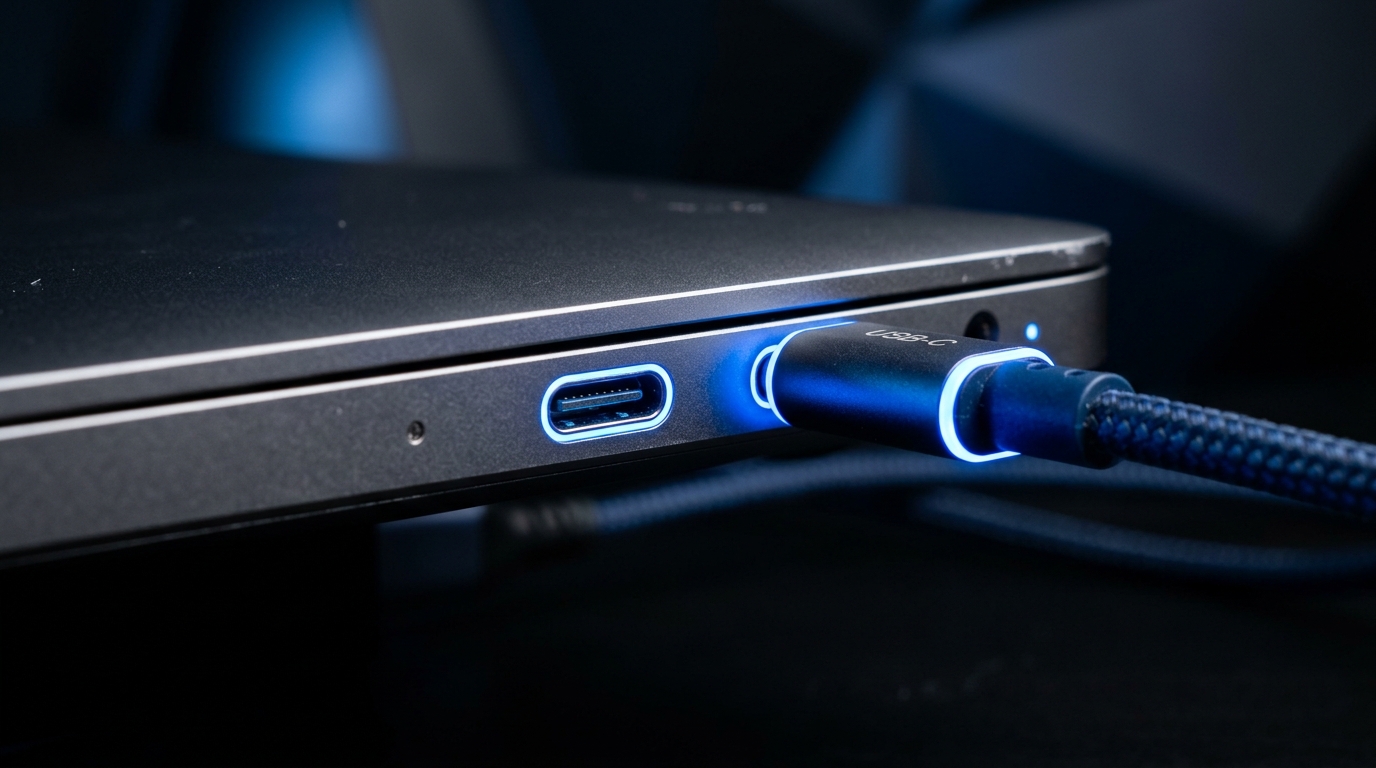
The connector type is the first decision. USB-C is now the standard for Android phones, newer iPhones (15 and later), laptops, and most accessories. Lightning is Apple's older connector used on iPhone 14 and earlier. Micro-USB is largely obsolete but still found on budget devices.
If you're buying a cable today, USB-C is the right choice for future-proofing. Our braided nylon USB-C cable works with both Android and iPhone 15+ models, making it a versatile single-cable solution.
Fast Charging Standards Explained
Fast charging isn't just about the cable — it's about the protocol your device and charger support. The main standards are:
- USB Power Delivery (PD): The most common fast charging standard. PD 3.0 can deliver up to 100W, though phones typically use 18-45W.
- Quick Charge (QC): Qualcomm's standard, found in many Android devices. QC 3.0 is widely supported.
- Apple Fast Charging: Uses USB PD, so any PD-compatible charger and USB-C to Lightning cable will fast charge an iPhone.
For the fastest charging, pair a PD-compatible charger like our 30W USB-C charger with a quality cable rated for the same speed.
Cable Durability: Braided vs Rubber
The most common cable failure point is the connector joint — where the cable meets the plug. This is where bending and pulling cause internal wire breaks. Braided nylon jackets address this in two ways:
- The braided exterior provides structural support at the connector, reducing bending stress.
- Nylon is more resistant to abrasion and tearing than rubber or PVC.
A braided cable typically lasts 2-3x longer than a standard rubber cable under the same usage conditions. The small price difference pays for itself in longevity.
Cable Length: What's Right for You?
Cable length affects both convenience and charging speed. Here's a quick guide:
- 3 feet: Ideal for car charging, connecting to a laptop, or power bank use.
- 6 feet: The most versatile length. Reaches from wall outlets to nightstands, desks, and couches.
- 10+ feet: Good for hotel rooms or large spaces, but longer cables can have slightly higher resistance, marginally slowing charge speed.
How to Spot a Quality Cable
Look for these indicators of a well-made cable:
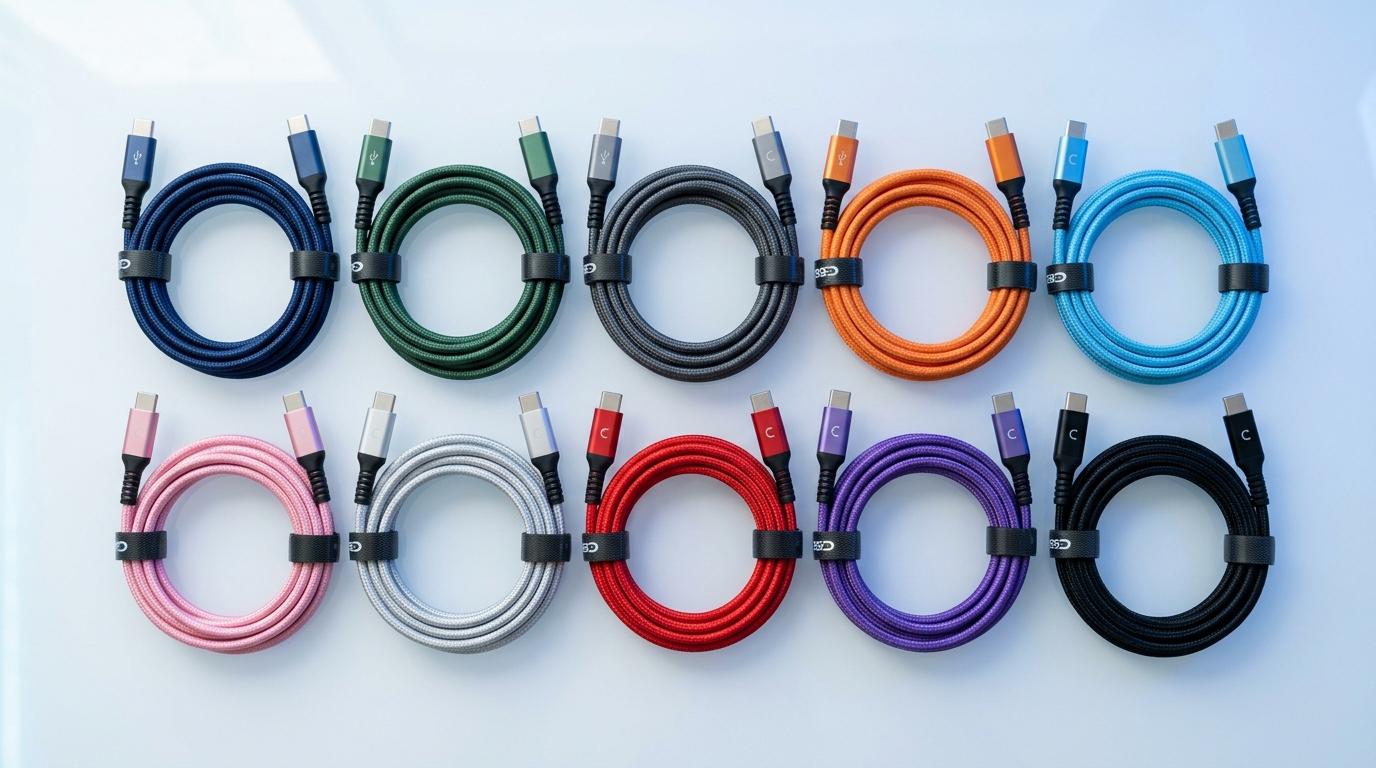
- Braided nylon jacket — resists fraying and bending damage
- Reinforced connector joints — look for strain relief boots where the cable meets the plug
- Thick gauge wire — thicker wires carry more current with less resistance
- Fast charging certification — cables rated for PD or QC will charge at full speed
Charging Safety Tips
Even a quality cable needs proper use to stay safe:
- Don't pull the cable by the cord — grip the connector when unplugging
- Avoid extreme bending at the connector joint
- Keep cables away from heat sources and direct sunlight
- Replace cables immediately if you see exposed wiring or a loose connector
FAQ
Do all USB-C cables support fast charging?
No. Some USB-C cables are only rated for data transfer or low-speed charging (5W). For fast charging, look for cables explicitly rated for USB Power Delivery or Quick Charge. These cables have thicker internal wires to handle higher current.
Can I use a USB-C cable to charge my iPhone?
Yes, if your iPhone has a USB-C port (iPhone 15 and later). For older iPhones with Lightning ports, you need a USB-C to Lightning cable for fast charging, or a USB-A to Lightning cable for standard charging.
Why does my cable charge slowly sometimes?
Slow charging is usually caused by one of three things: a cable not rated for fast charging, a charger that doesn't support the fast charging protocol your phone uses, or a damaged cable with internal wire breaks. Try a different cable and charger to isolate the issue.
How long should a charging cable last?
A quality braided nylon cable should last 2-3 years with daily use. Standard rubber cables typically last 6-12 months. If your cable stops charging reliably or the connector feels loose, replace it immediately — damaged cables can overheat.
Ready to Upgrade Your Tech?
Browse our full collection of quality tech accessories at honest prices.
Shop All Products