Wireless charging has gone from a novelty to a mainstream feature on most modern phones. But is it actually worth using over a traditional cable? This comparison breaks down the real-world differences in speed, convenience, efficiency, and value.
How Wireless Charging Works
Wireless charging uses electromagnetic induction to transfer power between two coils — one in the charger and one in your phone. When you place your phone on the charging pad, the coils align and power transfers through the air gap between them.
The two main standards are:
- Qi (pronounced "chee"): The universal standard supported by most Android phones and iPhone 8 and later. Qi chargers deliver 5W to 15W depending on the device and charger.
- MagSafe: Apple's magnetic alignment system for iPhone 12 and later. MagSafe ensures perfect coil alignment and supports up to 15W charging on compatible iPhones.
Our MagSafe-compatible wireless charger works with both MagSafe iPhones (at 15W) and Qi-compatible Android phones (at 10-15W).
Charging Speed: Wireless vs Wired
Here is the honest comparison:
| Method | Typical Speed | 0-50% Time |
|---|---|---|
| 5W Wireless (Qi) | 5W | ~90 minutes |
| 15W Wireless (MagSafe/Qi) | 15W | ~40 minutes |
| 18W Wired (USB-PD) | 18W | ~30 minutes |
| 30W Wired (USB-PD) | 30W | ~20 minutes |
Wired charging is faster — that is a fact. But speed is not the only factor that matters.
Where Wireless Charging Wins: Convenience
Wireless charging shines in scenarios where convenience matters more than speed:
- Nightstand charging: Set your phone down before bed and pick it up at 100% in the morning. No fumbling with cables in the dark.
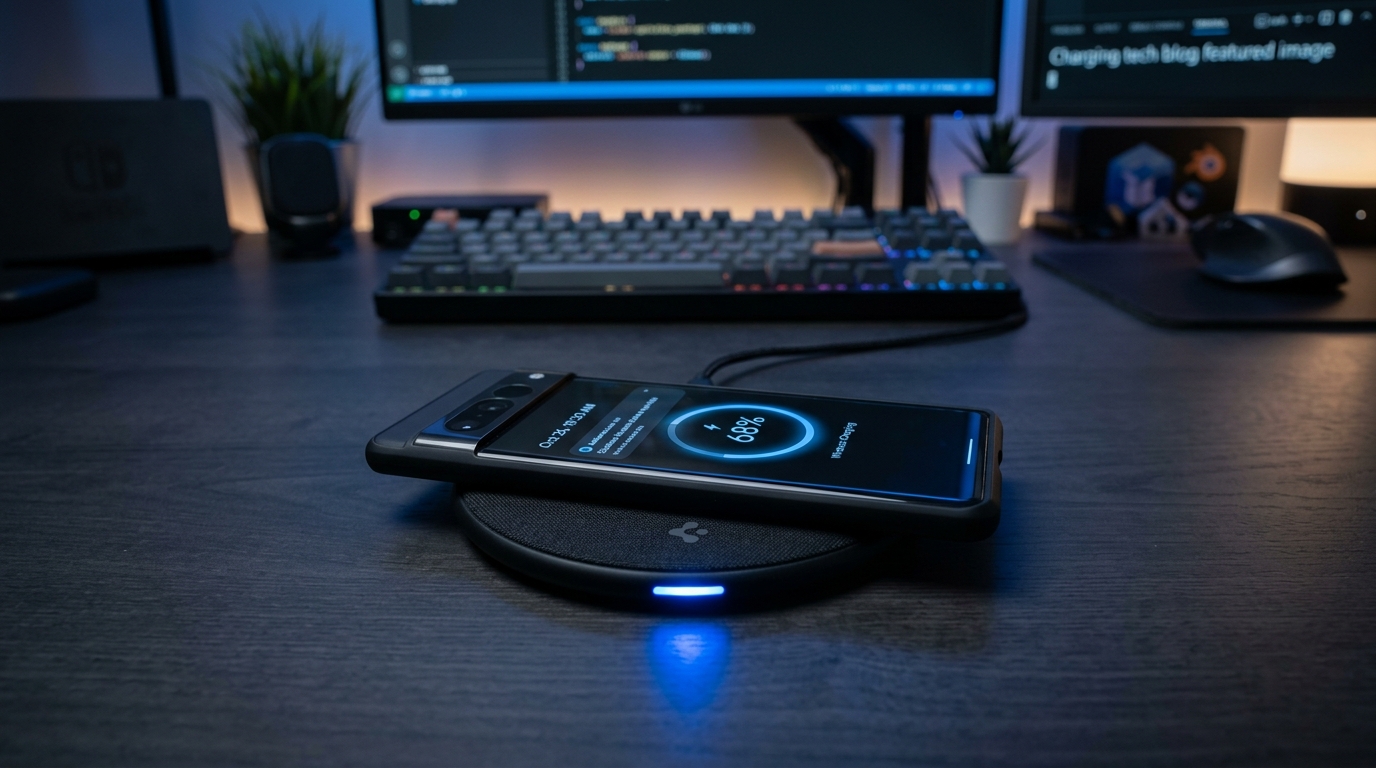
- Desk charging: Place a pad on your desk and your phone charges whenever you set it down between tasks.
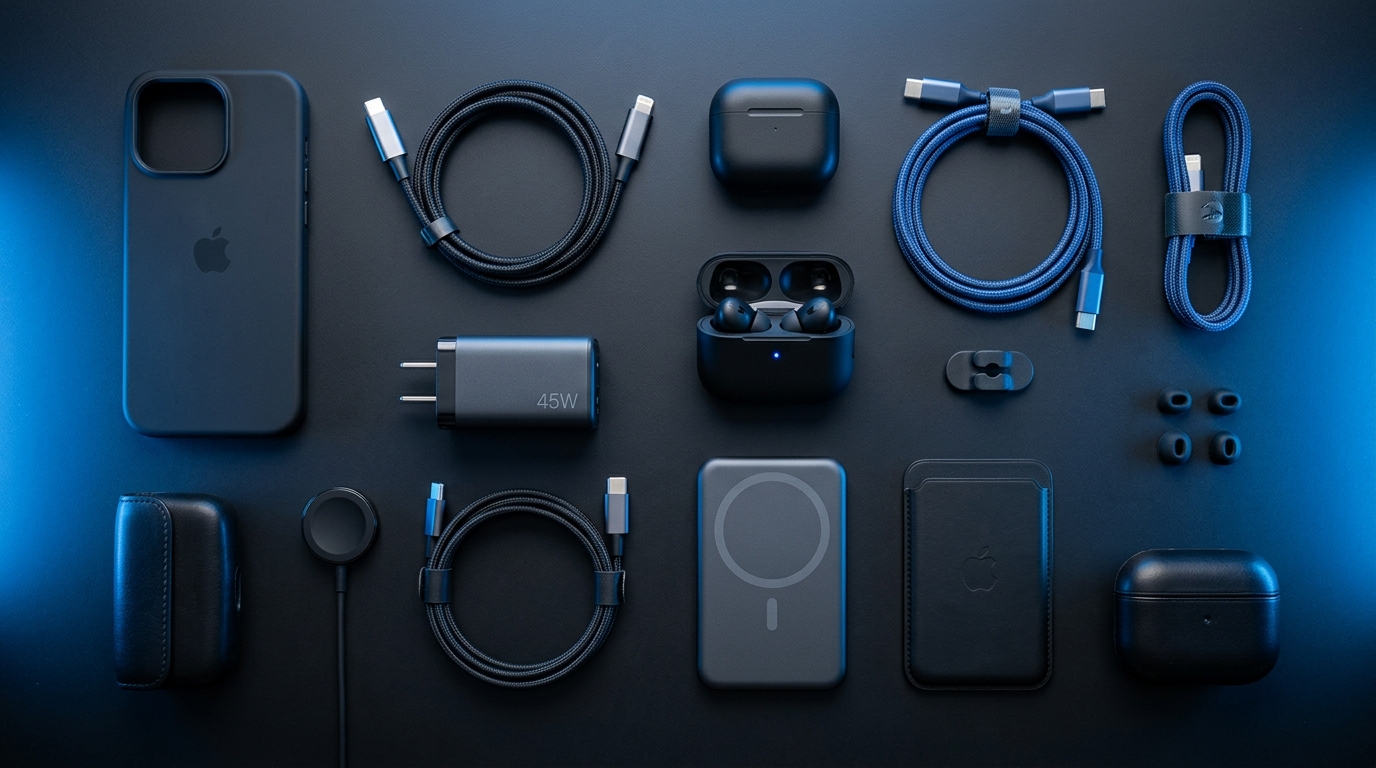
- Multiple devices: A charging station can charge your phone, earbuds, and smartwatch in one organized spot.
- Reduced wear: No plugging and unplugging means less wear on your phone's charging port.
Where Wired Charging Wins: Speed and Efficiency
Wired charging is the better choice when:
- You need a quick top-up: If you have 20 minutes before heading out, a 30W USB-C charger will add significantly more battery than a wireless pad.
- You are using your phone while charging: Wireless charging requires the phone to sit flat on the pad. Wired charging lets you use your phone normally.
- Efficiency matters: Wireless charging loses about 20-30% of energy as heat. Wired charging is nearly 100% efficient.
- You are traveling: A car charger or power bank with wired charging is faster and more portable.
The Best Approach: Use Both
You do not have to choose. The ideal setup uses wireless charging for overnight and desk charging, and wired charging for quick top-ups and travel. This gives you maximum convenience when speed does not matter and maximum speed when it does.
FAQ
Does wireless charging damage my phone's battery?
No. Modern phones manage their charging internally and will stop charging when the battery is full. The slight heat generated during wireless charging is within normal operating parameters. However, if your phone gets unusually hot during wireless charging, remove the case — thick cases can trap heat.
Can I use a wireless charger with a phone case?
Yes, most cases under 3mm thick work fine with wireless chargers. Very thick cases, metal cases, or cases with metal plates (for magnetic car mounts) may interfere with charging. MagSafe chargers work through most cases but may have weaker magnetic alignment with thicker cases.
Is MagSafe better than Qi?
For iPhone users, yes. MagSafe provides perfect coil alignment (which improves efficiency and speed) and supports 15W charging. Standard Qi charging on iPhones is limited to 7.5W. For Android users, Qi is the standard and supports up to 15W on compatible devices.
How much electricity does wireless charging waste?
Wireless charging is approximately 70-80% efficient, meaning 20-30% of the energy is lost as heat. Over a year of nightly charging, this adds roughly $1-2 to your electricity bill — negligible for most users, but worth knowing if you are energy-conscious.
Ready to Upgrade Your Tech?
Browse our full collection of quality tech accessories at honest prices.
Shop All Products