Phone repairs are expensive. A cracked screen can cost $200-$400, and water damage often means a total replacement. But with the right protection strategy, you can prevent the vast majority of damage that phones suffer in daily use. Here is how to protect your phone at every level.
Layer 1: Screen Protection
Your screen is the most expensive and most vulnerable part of your phone. A screen protector is the first line of defense against scratches from keys, coins, and sand in your pocket.
When choosing a screen protector, look for:
- 9H hardness rating — resists scratches from sharp objects
- Oleophobic coating — repels fingerprints and makes cleaning easier
- Case-compatible design — does not interfere with your phone case edges
- Easy application kit — includes alignment tools for bubble-free installation
Layer 2: A Protective Case
The right case depends on your lifestyle and risk tolerance. Here are the main categories:
Rugged Cases for Maximum Protection
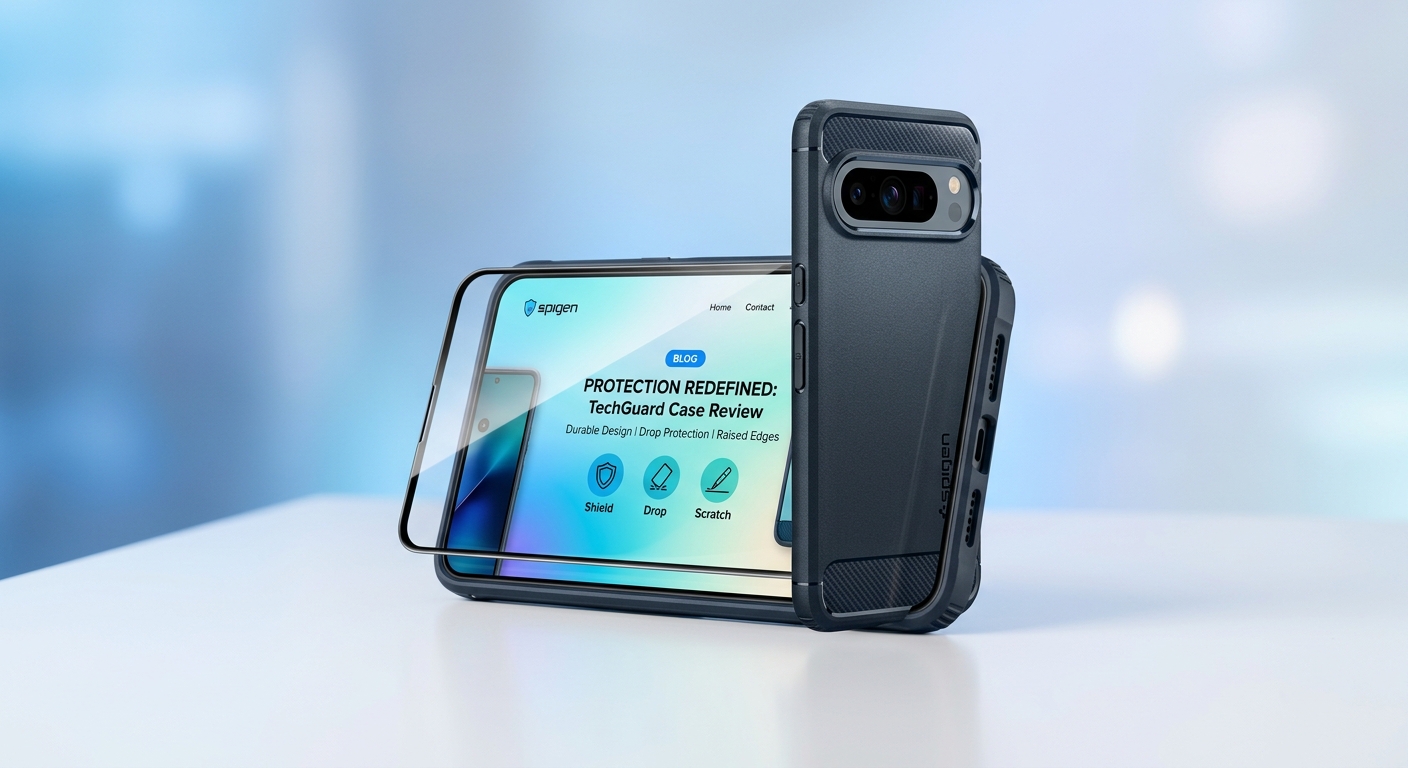
If you work outdoors, have kids, or are simply accident-prone, a rugged case is worth the extra bulk. The military-grade polycarbonate case for iPhone 15 Pro Max provides military-grade drop protection while maintaining a surprisingly slim profile. It is designed to absorb impact from drops up to 6 feet.
Slim Cases for Everyday Protection
If you prefer minimal bulk, a slim case provides protection against scratches and short drops without changing your phone's feel. The slim clear case for Samsung Galaxy S24 Ultra shows off your phone's design while adding a protective layer. Clear cases are great if you like your phone's original color.
Wallet Cases for Function + Protection
A wallet case protects both the front and back of your phone while carrying your cards. The slim leather wallet case for Google Pixel 8 Pro includes card slots and a magnetic closure. The front cover protects your screen when not in use, acting as a built-in screen protector alternative.
Layer 3: Water Protection
Even "water-resistant" phones can suffer water damage — the resistance rating degrades over time, and it does not cover all liquids (salt water and chlorinated pool water are particularly damaging). For activities near water, use a dedicated waterproof pouch.
The IPX8-certified waterproof pouch works with any phone model and allows full touchscreen operation through the clear material. It is essential for:
- Beach trips and pool days
- Boating and kayaking
- Hiking in rain
- Water parks and amusement parks
Common Damage Scenarios and How to Prevent Them
Drop Damage
Drops account for the majority of phone damage. A case with raised edges around the screen and camera lens prevents direct impact on these vulnerable areas. Look for cases with "lip" or "raised bezel" features.
Screen Scratches
Screen scratches come from contact with harder materials — keys, coins, sand, even some fabrics. A screen protector takes these scratches so your actual screen does not have to. Replace the protector when it gets visibly scratched.
Water Damage
Water damage often is not immediately obvious — corrosion builds up over days or weeks after exposure. If your phone gets wet, power it off immediately, remove any case, and let it dry completely before turning it back on. For planned water exposure, use a waterproof pouch.
Port Damage
Charging ports collect lint and debris from pockets, leading to connection issues. Clean your port gently with a wooden toothpick (never metal) every few months. A port plug can prevent debris buildup entirely.
FAQ
Do I need both a screen protector and a case?
Yes. A screen protector guards against scratches; a case guards against impact damage from drops. They protect different things and work together. Skipping either one leaves your phone vulnerable to a specific type of damage.
Are clear cases less protective than opaque cases?
No. The protection level depends on the material and construction, not the color. A clear polycarbonate case provides the same impact protection as an opaque one. The main difference is aesthetic — clear cases can yellow over time with UV exposure.
Can I use my phone underwater with a waterproof pouch?
Yes, with an IPX8-certified pouch. The clear material allows full touchscreen operation, and the seal keeps water out even when submerged. However, avoid pressing buttons unnecessarily underwater — each interaction is a potential seal stress point.
How often should I replace my phone case?
Replace your case if it shows cracks, loose fit, or stretched port openings. A case that does not fit snugly cannot absorb impact properly. With normal use, a quality case lasts 1-2 years before needing replacement.
Ready to Upgrade Your Tech?
Browse our full collection of quality tech accessories at honest prices.
Shop All Products